
Missouri homeowners know that severe weather is part of life, but few weather events cause as much unexpected property damage as hail. From dented vehicles and cracked siding to roof damage that may not be visible from the ground, hail storms can create costly problems long after the skies clear.
For homeowners in St. Charles County, understanding local hail history and preparing before storm season arrives can make a major difference when severe weather strikes.
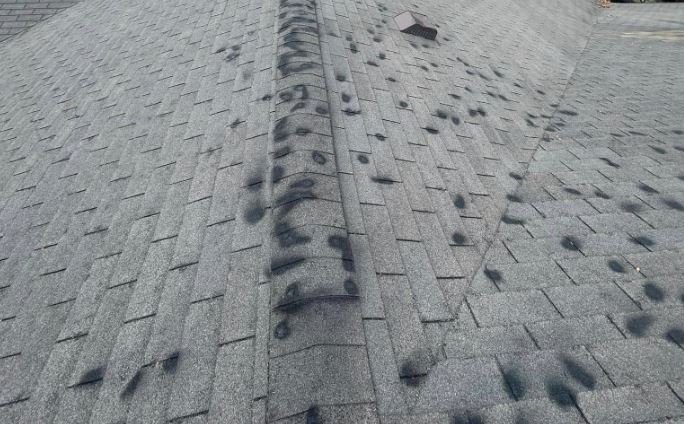
St. Charles County sits within one of the most active severe weather regions in the Midwest. During spring and early summer, warm, moisture-rich air from the Gulf of Mexico often collides with cooler air masses moving across Missouri. These conditions create powerful thunderstorms capable of producing damaging hail.
Recent storm tracking data shows multiple hail events reported throughout St. Charles County, including areas such as St. Charles, O’Fallon, Wentzville, Cottleville, Weldon Spring, and New Melle. Reports from 2025 and 2026 included hail ranging from quarter-size to over 1 inch in diameter.
One of the most significant severe weather events to impact the region occurred in May 2025. Supercell thunderstorms moved across eastern Missouri, producing hail up to 2 to 2.5 inches in some areas, damaging winds, and tornadoes that caused widespread destruction throughout the St. Louis region. Property losses exceeded $1 billion across the broader storm system.
Residents in O’Fallon and surrounding communities reported extended periods of hail and strong winds, with many homeowners later discovering roof damage that wasn’t immediately visible from the ground.
Hail continued to impact St. Charles County during the 2026 storm season. Storm reports documented multiple hail-producing storms in April, with hail reaching approximately 1.25 to 1.5 inches in diameter in parts of the county.
These events serve as a reminder that hail damage is not rare in St. Charles County—it is an ongoing risk for homeowners every year.
Many homeowners expect obvious damage after a storm, but hail damage is often difficult to spot.
Common issues include:
Even relatively small hailstones can shorten the lifespan of a roof and create hidden vulnerabilities that worsen over time.
While no one can prevent severe weather, homeowners can reduce their risk by taking a few proactive steps:
A professional inspection helps identify existing weaknesses that could become major problems during a storm.
Take photos of your roof, siding, gutters, and exterior features each year. Having pre-storm documentation can simplify insurance claims.
Understand your deductible, coverage limits, and claim procedures before storm season begins.
Whenever possible, move vehicles into a garage or covered area when severe weather alerts are issued.
Pay attention to National Weather Service warnings during spring and summer, when severe storms are most common in Missouri.
If your neighborhood experiences a hail event:
Look for obvious signs of damage on:
Never climb onto a roof yourself after a storm.
Take photos of any visible damage as soon as conditions are safe.
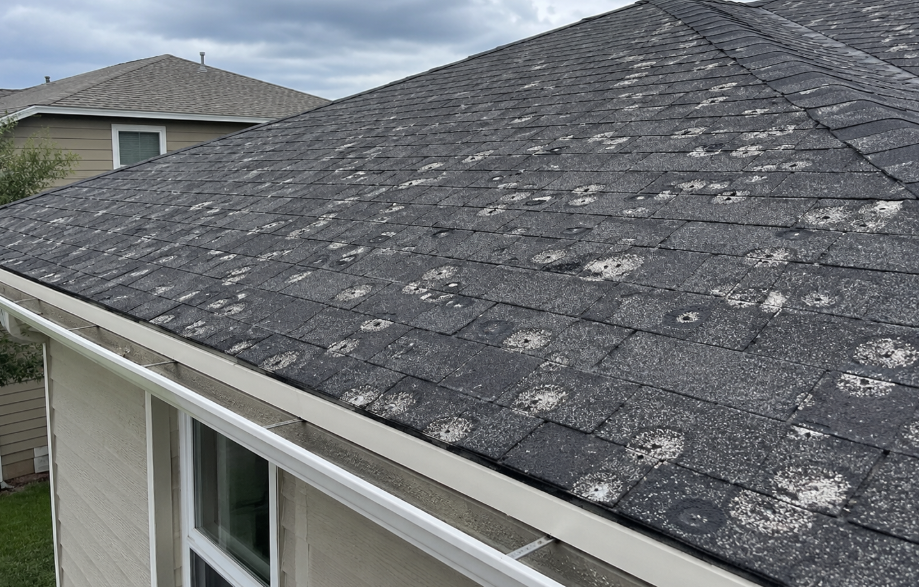
Many forms of hail damage are not visible from the ground. A professional inspection can identify issues before they lead to leaks and costly repairs.
If damage is confirmed, begin the claims process promptly and keep detailed records.
One of the biggest mistakes homeowners make after hail storms in St. Charles County Missouri is assuming everything is fine because there are no immediate leaks.
In reality, hail damage can weaken roofing materials and create problems that develop slowly over months or even years. Addressing damage early helps protect your home, maintain property value, and prevent more expensive repairs later.
When hail storms hit St. Charles County Missouri, homeowners need a contractor who understands local weather patterns, insurance claims, and storm restoration.
Competitive Contractors provides professional storm damage inspections, roof evaluations, and storm damage repair services throughout St. Charles County and the Greater St. Louis area. Our team helps homeowners identify damage, navigate the insurance process, and restore their properties with quality workmanship.
If a hailstorm damages your roof, vehicle, or both, one call is all it takes. We handle inspections, insurance coordination, and complete restoration from start to finish. Contact Competitive Contractors today for a professional inspection and expert guidance on the next steps.
Hail-producing thunderstorms occur regularly throughout St. Charles County, particularly during spring and early summer severe weather season.
Yes. Hail often damages shingles and roofing materials without creating visible leaks right away.
Ideally within a few days of the storm, especially if hail was large enough to cause visible damage to vehicles, gutters, or siding.
Most homeowners insurance policies cover hail damage, although coverage and deductibles vary by policy.
Even hail around 1 inch in diameter can damage roofing materials. Larger hail can cause significant structural and cosmetic damage.