
Missouri weather can change quickly. One afternoon may bring sunshine, while the next delivers strong thunderstorms with hail, heavy rain, and damaging winds. After the storm passes, many homeowners step outside, glance at their roof, and assume everything is fine because there are no missing shingles or obvious leaks.
Unfortunately, that’s often when problems begin.
Small hail damage doesn’t always create immediate, visible issues. Instead, it can weaken parts of your roofing system in ways that aren’t noticeable from the ground. Over time, exposure to sunlight, rain, fluctuating temperatures, and additional storms can turn minor damage into roof leaks, water intrusion, and expensive repairs.
For homeowners throughout St. Charles County, recognizing the importance of early inspections can make a significant difference in protecting both their home and their long-term investment.
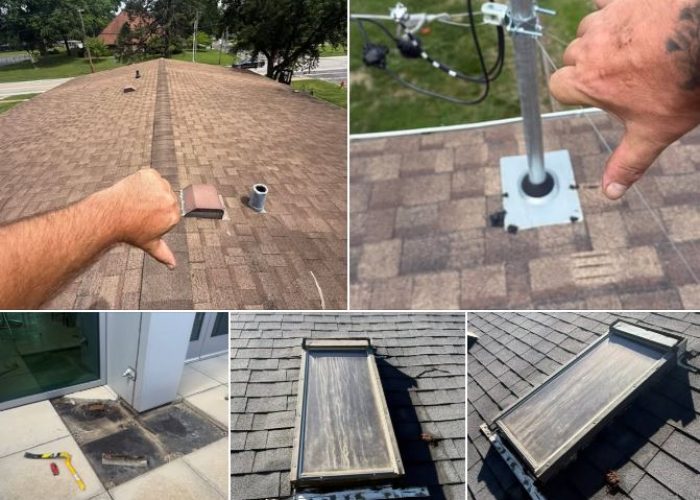
When people think about hail damage, they often picture broken windows, missing shingles, or large holes in a roof.
In reality, many hailstorms leave behind much subtler damage.
A hailstone doesn’t have to be baseball-sized to affect roofing materials. Even smaller hail can strike shingles, flashing, vents, and skylights with enough force to weaken their protective surfaces.
But roofing materials naturally expand and contract every day as temperatures change. Add Missouri’s hot summers, freezing winters, strong winds, and frequent rainfall, and those small areas of damage gradually become more vulnerable.
That’s why what looks like a minor issue today can become a much larger repair months later.
Many homeowners think of a roof as simply a layer of shingles.
In reality, your roofing system is made up of several components working together to protect your home.
These include:
If one component becomes compromised, moisture can eventually reach other parts of the system.
A professional inspection evaluates the roof as a whole—not just the shingles.
One of the biggest misconceptions about hail damage is that leaks happen immediately after a storm.
Often, they don’t.
Instead, damage develops gradually.
A weakened area may continue functioning for weeks or even months before repeated rain, changing temperatures, and UV exposure begin breaking it down further.
Eventually, water finds its way beneath roofing materials. Once moisture reaches the roof deck or insulation, repairs become much more involved than replacing a few damaged shingles.
This is one reason many homeowners don’t connect a roof leak with a hailstorm that happened several months earlier.
Every vent pipe, exhaust vent, or other roof penetration interrupts the roofing surface. These areas rely on properly installed flashing and weather-resistant seals to prevent water from entering the home.
Even when shingles appear intact, flashing around roof penetrations should be evaluated after significant hail or wind events.
Skylights provide beautiful natural light, but they also introduce additional joints and flashing details into the roofing system.
Over time, exposure to weather can affect these areas.
After a hailstorm, inspectors evaluate skylights for:
Early identification of issues helps reduce the likelihood of future leaks.
Although gutters don’t keep water out of your home directly, they often provide valuable clues about storm intensity.
Visible dents, impact marks, or accumulated roofing granules may indicate that the roof experienced significant hail.
Inspecting gutters alongside the roof provides a more complete picture of storm-related conditions.
Although gutters don’t keep water out of your home directly, they often provide valuable clues about storm intensity.
Visible dents, impact marks, or accumulated roofing granules may indicate that the roof experienced significant hail. Inspecting gutters alongside the roof provides a more complete picture of storm-related conditions.
Roof valleys naturally collect and direct large volumes of water.
Because they handle continuous drainage, even small issues in these areas can become more significant over time. Inspecting valleys after severe weather helps identify concerns before they affect surrounding roofing materials.
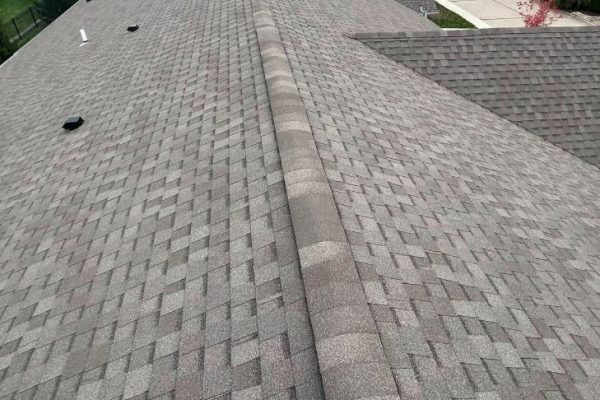
Located at the highest point of the roof, ridge caps experience constant exposure to wind, rain, sunlight, and changing temperatures. After hailstorms, inspectors check these areas for movement, wear, and any signs that repairs may be needed.
Every roof tells a different story.
During one of our recent inspections in St. Charles County, our team carefully evaluated several roofing components that commonly require attention after severe weather.
The inspection included roof penetrations, flashing details, skylight areas, and other locations where long-term exposure to weather can affect performance.
While many roofing concerns aren’t visible from the ground, a closer inspection provides homeowners with valuable information about the overall condition of their roof and whether maintenance or repairs should be considered.
This proactive approach helps homeowners make informed decisions before minor concerns develop into larger projects.
Addressing roofing concerns early offers several advantages.
It can help:
An inspection doesn’t always mean extensive repairs are necessary. Sometimes the best outcome is confirming that the roof remains in good condition after a storm.
Homeowners throughout St. Charles, O’Fallon, St. Peters, Wentzville, Cottleville, Lake St. Louis, Dardenne Prairie, Weldon Spring, and Foristell experience Missouri’s unpredictable storm season every year.
Because no two storms—or roofs—are exactly alike, scheduling a professional inspection after significant hail can provide peace of mind and help identify issues that might otherwise go unnoticed.
Whether your roof is a few years old or approaching the end of its expected lifespan, understanding its condition is an important part of protecting your home.
Don’t sign anything at your door. After a major storm in St. Charles County, out-of-town storm chaser contractors knock on doors within hours — sometimes the same day. They offer fast inspections and push for contract signatures before homeowners have had time to assess anything. Do not sign a contractor agreement, a direction to pay, or an assignment of benefits at your door after a storm. Get your own inspection first.
Don’t file before you have independent documentation. Once your claim is open, the insurer’s adjuster sets the baseline. Items missed in that initial assessment are difficult to add later without your own documentation showing they were storm-related. Document first, then file.
Don’t assume your car damage isn’t worth filing. Auto hail damage from a significant storm is frequently more extensive than it appears. Dozens of small dents across a hood and roof can represent $3,000–$8,000 or more in repair value. A free inspection will tell you what the damage is actually worth before you decide.
Don’t accept the first settlement offer without review. Initial settlement offers — for both auto and roof claims — are frequently incomplete. Review any offer against your contractor’s documentation before accepting. Supplement requests are a normal and legitimate part of the claims process.
Don’t use two separate contractors if you don’t have to. Managing two parallel repair processes while also handling two insurance claims is significantly more stressful than it needs to be. If one contractor can handle both, use them.
The sooner your damage is professionally documented, the stronger your claim and the earlier you get on the repair schedule.
By the time a leak appears inside your home, the damage has already been compounding for some period. Proactive inspection protects both your property and your insurance options.
Policies vary by carrier and some have shorter reporting windows than others. A quick call to your insurance agent to confirm your claim filing window is worth the ten minutes.
If you have active water intrusion requiring immediate attention, temporary tarping is appropriate — and should be documented thoroughly. But permanent repairs should not begin before your independent inspection and insurance documentation are in place.
Yes. Even smaller hail can affect shingles, flashing, and other roofing components depending on the storm’s intensity, the roof’s age, and the roofing material.
Not necessarily. Some storms cause little or no damage, while others create issues that are difficult to see without a professional inspection.
No. Some forms of damage develop gradually, with leaks appearing weeks or months after the storm.
It’s generally a good idea to schedule an inspection soon after a significant hailstorm so the roof’s condition can be evaluated and documented.
You can perform a visual inspection from the ground, but climbing onto a roof can be dangerous. A trained professional can safely inspect areas that aren’t visible from below.
Storm damage isn’t always obvious, and waiting until a leak appears can make repairs more extensive than they need to be.
If your home in St. Charles County has recently experienced a hailstorm, a professional roof inspection can help identify potential concerns early and give you a better understanding of your roof’s condition.
At Competitive Contractors, we’re committed to helping homeowners make informed decisions through thorough inspections, clear communication, and quality workmanship. Whether your roof needs repairs, maintenance, or simply a professional evaluation after a storm, our team is here to help.