
Every year, homeowners across St. Charles County experience severe thunderstorms that bring damaging hail. While some storms leave obvious destruction behind, many cause subtle roof damage that goes unnoticed until leaks, mold, or costly structural repairs develop months later.
Recognizing hail damage signs early can save thousands of dollars in repair costs and help ensure your homeowner’s insurance claim is filed before additional damage occurs.
At Competitive Hail Repair, we help homeowners throughout St. Charles, St. Peters, O’Fallon, Wentzville, Cottleville, Lake St. Louis, Weldon Spring, Dardenne Prairie, and surrounding communities identify storm damage quickly with professional inspections and honest recommendations.
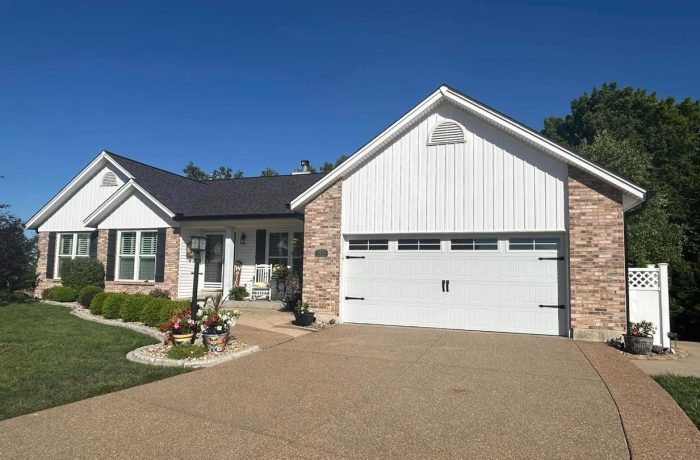
Many homeowners assume their roof is fine because they don’t see missing shingles after a storm. Unfortunately, hail often damages roofing materials in ways that aren’t visible from the ground.
Even small impacts can weaken shingles, loosen flashing, damage vents, crack skylights, or dent gutters. Over time, water begins penetrating these weak spots, leading to expensive repairs that could have been prevented.
Scheduling a roof inspection soon after a hailstorm allows damage to be documented while it’s fresh and helps protect your insurance coverage.
One of the earliest hail damage signs is the loss of protective granules.
Look for:
Granules protect shingles from UV exposure. Once they’re gone, shingles deteriorate much faster.
Hail doesn’t always crack shingles immediately. Instead, it creates soft impact areas where the fiberglass mat underneath becomes damaged.
Professional inspectors check for:
These damaged areas eventually split, allowing moisture into your roofing system.
Metal components often show hail damage before shingles do.
Inspect your home’s:
Visible dents often indicate your roof experienced enough impact to warrant a complete inspection.
Plastic roof vents, skylights, and exhaust covers frequently crack during Missouri hailstorms.
Watch for:
These areas commonly become the source of future leaks.
Not all hail damage is visible outside.
Inside your home, check for:
These may indicate roof damage caused by a recent storm.
Hail often affects more than just your roof.
Walk around your property and inspect:
If these surfaces show impact damage, your roof may have experienced similar or greater damage.
Strong winds accompanying hailstorms can lift shingles while hail weakens them.
Look for:
These issues allow rainwater to penetrate beneath your roofing system.
Communities throughout St. Charles County experience frequent severe weather during spring and summer.
Homeowners in St. Charles, O’Fallon, St. Peters, Wentzville, Cottleville, Lake St. Louis, Weldon Spring, Dardenne Prairie, and Foristell should inspect their property after any storm producing hail larger than pea-sized.
Even storms that last only a few minutes can cause significant roof damage.
Many signs of hail damage aren’t visible without safely walking the roof. Professional inspections include:
This documentation can make the insurance claims process much smoother if repairs are needed.
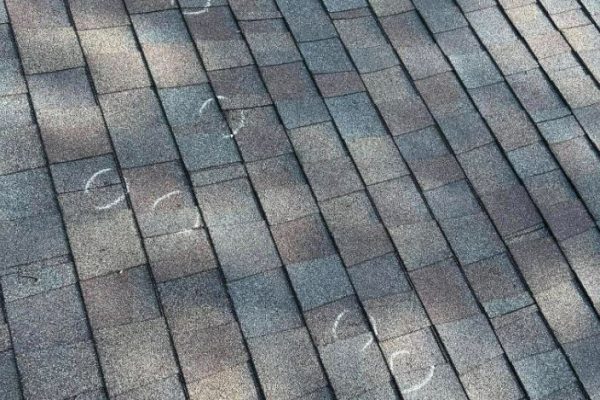
Ignoring hail damage often leads to:
A minor repair today can become a full roof replacement if water continues entering the home.
Competitive Hail Repair provides complete storm restoration services for homeowners across St. Charles County and the Greater St. Louis area.
Our team offers:
We understand Missouri weather and know what local homes experience throughout hail season.
Don’t sign anything at your door. After a major storm in St. Charles County, out-of-town storm chaser contractors knock on doors within hours — sometimes the same day. They offer fast inspections and push for contract signatures before homeowners have had time to assess anything. Do not sign a contractor agreement, a direction to pay, or an assignment of benefits at your door after a storm. Get your own inspection first.
Don’t file before you have independent documentation. Once your claim is open, the insurer’s adjuster sets the baseline. Items missed in that initial assessment are difficult to add later without your own documentation showing they were storm-related. Document first, then file.
Don’t assume your car damage isn’t worth filing. Auto hail damage from a significant storm is frequently more extensive than it appears. Dozens of small dents across a hood and roof can represent $3,000–$8,000 or more in repair value. A free inspection will tell you what the damage is actually worth before you decide.
Don’t accept the first settlement offer without review. Initial settlement offers — for both auto and roof claims — are frequently incomplete. Review any offer against your contractor’s documentation before accepting. Supplement requests are a normal and legitimate part of the claims process.
Don’t use two separate contractors if you don’t have to. Managing two parallel repair processes while also handling two insurance claims is significantly more stressful than it needs to be. If one contractor can handle both, use them.
The sooner your damage is professionally documented, the stronger your claim and the earlier you get on the repair schedule.
By the time a leak appears inside your home, the damage has already been compounding for some period. Proactive inspection protects both your property and your insurance options.
Policies vary by carrier and some have shorter reporting windows than others. A quick call to your insurance agent to confirm your claim filing window is worth the ten minutes.
If you have active water intrusion requiring immediate attention, temporary tarping is appropriate — and should be documented thoroughly. But permanent repairs should not begin before your independent inspection and insurance documentation are in place.
Yes. Hail often weakens shingles long before leaks appear. Water intrusion may take weeks or months to develop.
Ideally within a few days of the storm. Early inspections provide better documentation for insurance claims.
Most policies cover sudden hail damage, although deductibles and policy terms vary.
You can safely inspect your property from the ground, but walking on a potentially damaged roof is not recommended. Professional inspections are safer and more thorough.
While larger hail typically causes more damage, even hail around one inch in diameter can damage aging or weathered roofing materials.
If your home in St. Charles County was recently affected by a hailstorm, don’t wait until leaks appear. Small signs of hail damage can quickly turn into expensive roof repairs if left untreated.
Competitive Hail Repair provides free professional hail inspections, detailed damage documentation, and insurance claim assistance to help homeowners restore their properties quickly and confidently.