
If a hailstorm just hit your St. Charles neighborhood and you are staring at a dented hood or a roof full of damaged shingles — the first question most Missouri homeowners ask is the same: will my insurance actually pay for this?
The short answer is yes — in most cases. But the full answer is more nuanced, and understanding the details before you file a claim can mean the difference between a fully covered repair and a costly surprise.
This guide covers everything St. Charles and greater St. Louis homeowners need to know about hail damage insurance coverage in Missouri — what is covered, what is not, how deductibles work, and the exact steps to take to protect your claim from the moment the storm passes.
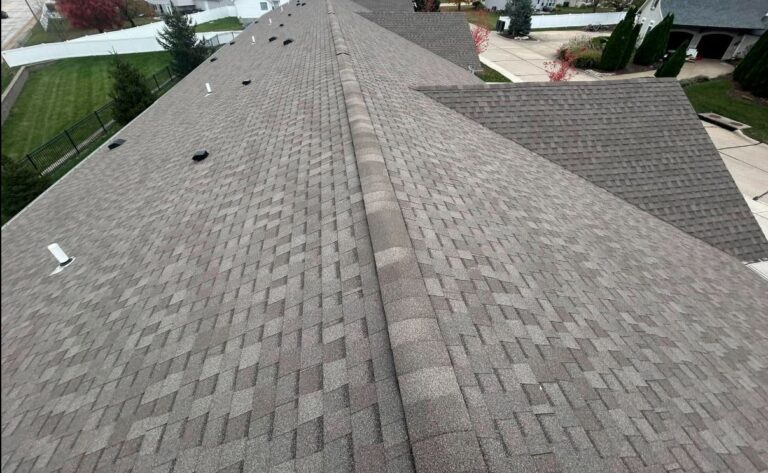
Yes — hail damage is a covered peril under most standard Missouri homeowners insurance policies. Your dwelling coverage, which protects the physical structure of your home, typically covers sudden and accidental damage caused by hail, wind, and storms.
This means that if a hailstorm damages your roof, siding, gutters, flashing, windows, or detached structures like a garage or fence — your homeowners policy will generally cover the cost of repair or replacement, minus your deductible.
Missouri is one of the most hail-affected states in the country. The state ranked third in the nation for hail events in 2024, with hundreds of storms reported across the year. St. Charles County, sitting in the greater St. Louis metro, experiences some of Missouri’s most frequent and severe hail events — which makes understanding your coverage not just useful, but essential.
A standard Missouri homeowners policy (HO-3 format) covers hail damage to the following:
What is not covered by homeowners insurance: flood damage (a separate policy is required), general wear and tear, pre-existing roof damage, or neglected maintenance issues that worsened during the storm.
Your homeowners insurance does not cover your vehicle — but your auto insurance can, under the right policy.
Vehicle hail damage is covered under the comprehensive portion of your auto insurance policy. Comprehensive coverage specifically protects against non-collision events including hailstorms, floods, fire, theft, and falling objects.
If you only carry liability insurance on your vehicle (the minimum required in Missouri), hail damage to your car will not be covered. You must have comprehensive coverage in place before the storm event for the claim to be valid.
Our auto hail repair team in St. Charles works directly with all major auto insurance carriers to document your vehicle damage and process your claim from inspection through completed repair.
One of the most important and most overlooked factors in any Missouri hail damage claim is whether your policy uses Actual Cash Value (ACV) or Replacement Cost Value (RCV) to calculate your payout.
Actual Cash Value (ACV): ACV policies pay the current depreciated value of your roof or damaged structure at the time of the storm — not what it costs to replace it with new materials. The older your roof, the less you receive.
A real-world example: If your 15-year-old roof in St. Charles has a replacement cost of $20,000, an ACV policy might pay only $8,000–$12,000 after applying depreciation for the roof’s age — leaving you responsible for the remaining $8,000–$12,000 out of pocket, on top of your deductible.
Replacement Cost Value (RCV): RCV policies pay the full cost of repairing or replacing your damaged roof with new materials of comparable quality — regardless of the roof’s age at the time of the storm. This is the more comprehensive and protective coverage option.
How to check your policy type: Look at your declarations page — the summary sheet at the front of your policy documents. It will specify ACV or RCV for roof coverage. If you are unsure, call your insurance agent before storm season and ask directly. Knowing your coverage type before a storm costs nothing. Finding out after a claim is filed can be an expensive surprise.
Many Missouri homeowners have seen their hail deductibles change significantly in recent years. Insurance carriers have increasingly shifted from flat-dollar deductibles to percentage-based wind and hail deductibles — a change that has caught many St. Charles homeowners off guard when filing claims.
How percentage-based deductibles work: Rather than a fixed dollar amount (e.g., $1,000), a percentage deductible is calculated as a percentage of your home’s total insured value.
For a St. Charles home insured at $300,000:
These amounts are paid by you before your insurance coverage applies to the repair cost.
Important: In Missouri, contractors are legally required to collect your deductible. A roofing or hail repair company that offers to “waive your deductible” or absorb it into the repair cost is operating outside Missouri insurance regulations — and accepting such an offer can create legal and coverage complications for you as the homeowner. Always pay your deductible as required by your policy.
At Competitive Hail Repair, we offer deductible assistance — which helps minimize your out-of-pocket costs responsibly and within the bounds of Missouri insurance law. Ask our team about current deductible assistance options when you schedule your free inspection.
Understanding what triggers a claim denial helps you protect yours. Missouri insurance adjusters assess hail damage with specific criteria in mind:
Storm-related vs. pre-existing damage: Insurance covers sudden and accidental storm damage — not gradual deterioration, normal wear and tear, or pre-existing issues. Adjusters will assess whether visible damage was caused by the specific storm event or existed before it.
Documentation of the storm event: Tying your roof damage to a specific storm date with photos, weather service records, and a professional inspection report is critical. Without documentation connecting your damage to a specific hail event, insurers have grounds to classify it as wear and tear and deny or reduce your claim.
Cosmetic vs. functional damage: Some Missouri policies limit or exclude coverage for cosmetic hail damage — dents and dings that affect appearance but do not compromise the roof’s waterproofing function. A professional inspection determines whether damage crosses from cosmetic into functional territory, which matters significantly for your claim outcome.
Age and maintenance history of the roof: Adjusters look at the condition of your roof relative to its age. A well-maintained roof with documented service history presents a stronger claim than a neglected roof where the adjuster can argue storm damage is indistinguishable from long-term deterioration.
This is why getting a professional inspection before the adjuster visits is one of the most valuable things you can do. An independent inspection report from a licensed contractor like Competitive Hail Repair gives you documented evidence of the full scope of storm damage — before an insurance-side adjuster makes their assessment.
A professional inspection helps identify existing weaknesses that could become major problems during a storm.
Take photos of your roof, siding, gutters, and exterior features each year. Having pre-storm documentation can simplify insurance claims.
Understand your deductible, coverage limits, and claim procedures before storm season begins.
Whenever possible, move vehicles into a garage or covered area when severe weather alerts are issued.
Pay attention to National Weather Service warnings during spring and summer, when severe storms are most common in Missouri.
Step 1 — Document everything before touching anything Immediately after the storm, photograph all visible damage — roof, gutters, siding, vehicle — before any cleanup. Timestamped photos are critical evidence. Do not start any repairs before documentation is complete.
Step 2 — Get a professional inspection first Before calling your insurance company, schedule a free roof hail inspection with a licensed contractor. An independent damage report gives you your own documentation going into the claim — and prevents the insurance adjuster’s assessment from being the only record of damage.
Step 3 — Contact your insurance company Report the storm event and request a claim. Have your policy number ready and a clear description of what you observed. Ask specifically what your policy’s wind and hail deductible is, and whether your coverage is ACV or RCV.
Step 4 — Schedule the adjuster visit Your insurer will assign an adjuster to inspect your property. Having your contractor’s inspection report, photographs, and storm date documentation ready for the adjuster visit strengthens your claim and ensures nothing is missed.
Step 5 — Review the claim settlement carefully Once you receive the insurer’s damage assessment and settlement offer, review it against your contractor’s inspection findings. If the insurer’s scope of repairs is significantly lower than your contractor’s documented damage, you have the right to dispute the assessment.
Step 6 — If your claim is denied or underpaid You can file a complaint with the Missouri Department of Insurance at insurance.mo.gov. Missouri has a 5-year statute of limitations on insurance contract claims — but acting quickly with strong documentation gives you the best possible position.
Navigating a hail damage claim in Missouri is genuinely stressful — especially when you are dealing with roof damage, vehicle damage, and insurance paperwork at the same time.
Competitive Hail Repair handles the entire insurance claim process for our St. Charles and greater St. Louis clients:
Whether your St. Charles home needs emergency roof repair, targeted hail damage restoration, or full roof replacement — our team manages your claim and your repair as a single seamless process.
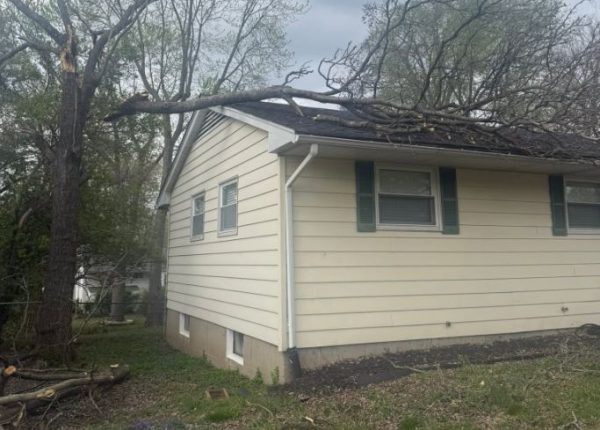
Most Missouri homeowners insurance policies require claims to be reported promptly after the storm event. While Missouri’s statute of limitations on insurance contracts is 5 years, filing quickly after the storm gives you the strongest documentation and the best claim outcome. Do not wait months to report damage.
It may. Filing a successful hail claim can cause your insurer to classify you as a higher-risk customer, potentially raising your premium at renewal. However, hail is an act of nature, not negligence — a single claim is unlikely to cause a dramatic rate increase. Multiple claims within a 2-3 year period carry more risk of significant premium impact.
If an adjuster concludes there is no covered damage but your contractor’s independent inspection shows significant hail impact, you can request a re-inspection, bring in a public adjuster who works on your behalf, or file a complaint with the Missouri Department of Insurance. Having a documented independent inspection report is essential for this process.
Yes — even dents that are repaired through traditional body shop methods can appear on Carfax and reduce resale value. Paintless dent repair (PDR), the method our auto hail repair team uses, preserves your factory paint finish and leaves no reportable repair record, protecting your vehicle’s resale value fully.
If your St. Charles or greater St. Louis home or vehicle sustained hail damage, the most important first step is a professional inspection before your insurance adjuster arrives. An independent damage report from Competitive Hail Repair gives you documented evidence of the full scope of storm damage — protecting your claim and ensuring you receive the coverage you are entitled to.
📞 Call: 636-448-3818 📍 Serving St. Charles, St. Peters, O’Fallon, Wentzville, and greater St. Louis, MO